AI can help extract information, draft text and organise material. That does not make every output suitable for immediate action. The right review depends on what the system is doing and what an error would mean for the people affected.
Separate assistance from authority
Drafting a customer reply and sending it are different permissions. Suggesting a document category and approving a payment are different decisions. Write those boundaries down. A system should not gain authority simply because its output looks confident.
A hypothetical invoice workflow could use AI to suggest supplier, date and amount. A person then checks the source document and approves the record before it reaches the payment process. The example describes a possible boundary, not a claim that extraction is always accurate.
Place review where it can work
A reviewer needs the source, the proposed result and enough time to challenge it. A green badge alone does not provide evidence. Make uncertainty and missing information visible. Allow the reviewer to reject the suggestion and use the manual route.
Review also needs an owner. If everyone is nominally responsible, nobody may know whether a particular output was checked. Decide who can approve which action and preserve an appropriate record of that decision.
Test against representative cases
Use realistic examples, including incomplete documents, unusual formats and cases that should be refused or escalated. Avoid judging the system only on a handful of tidy samples. Record the types of error as well as an overall success rate.
The NIST AI Risk Management Framework provides a voluntary approach to governing, mapping, measuring and managing AI risks. Its guidance includes defining responsibilities for human-AI oversight. Applying that idea means deciding who can intervene and what intervention changes in the actual workflow.
Keep the consequences in view
More consequential decisions need stronger controls than a low-risk draft. Assess privacy, permissions and the people affected before choosing a model or integration. Keep the system's access limited to the task it needs to perform.
Monitor after launch. Inputs, models and surrounding processes change. Set a route for reporting problems, suspending an automated action and correcting affected records. A human review step is useful only if the person has the information and authority to act.
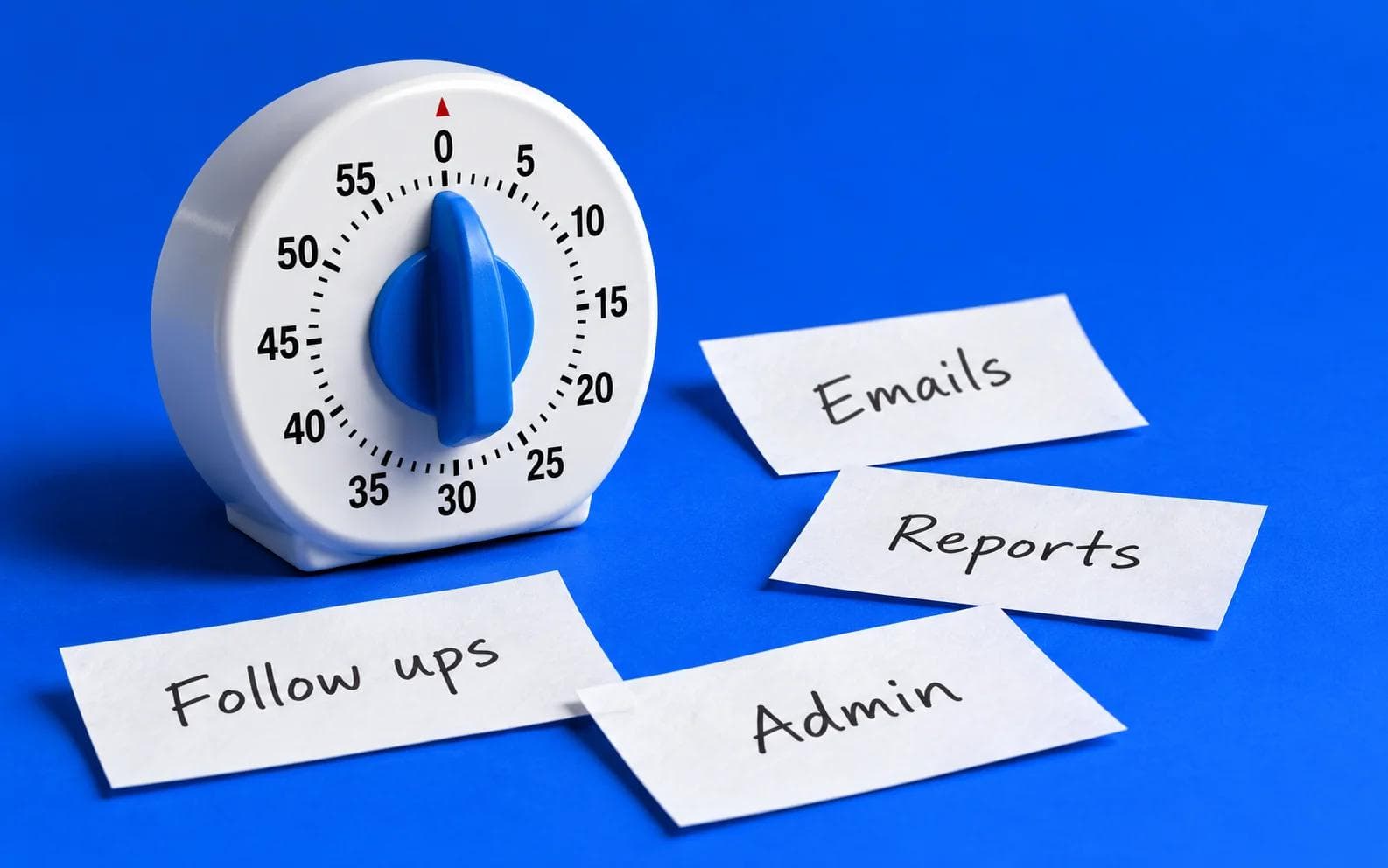
For a concrete starting point, consider document admin, then measure the whole workflow, including review effort and exception handling.